Miracle in Milan
1951 · 97 min · Comedy, Fantasy, Drama
Directed by Vittorio De Sica
“An impudent, riotous laugh on the lives and morals of our day!”
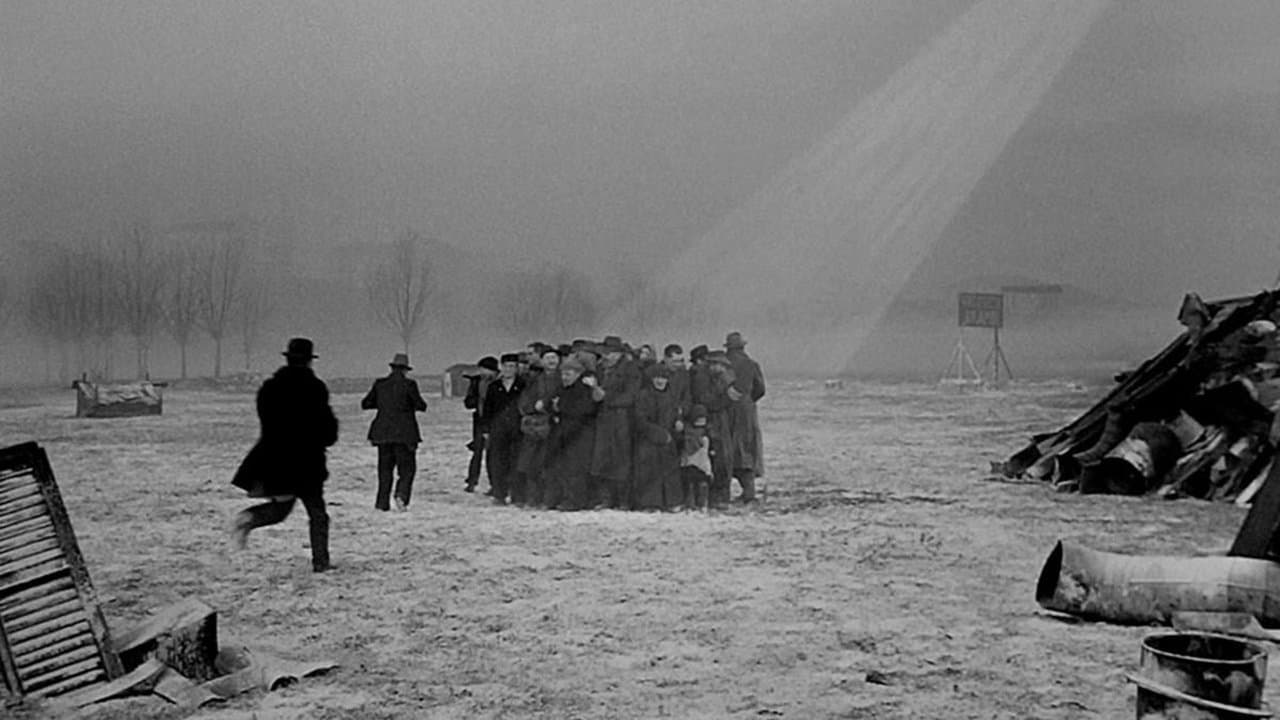
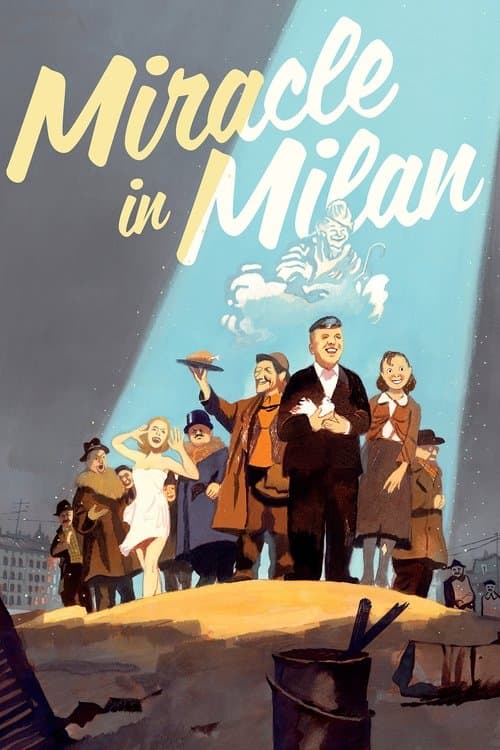
Once upon a time a wise and kind old woman discovers a baby in her cabbage patch. She brings up the child and, when she dies, the boy, Totò, enters an orphanage. Totò leaves the orphanage a happy young man, and looks for work in post-war Milan. He ends up with the homeless and organizes them to build a shanty town in a vacant lot. But when greedy developers threaten the community’s land, Totò will need all the help he can get in order to find an impossible way out.
Why it's worth watching
Miracle in Milan is a heartwarming tale that celebrates kindness, community, and the power of hope. It offers a delightful and uplifting story that resonates with timeless values.
What it praises
The film praises virtues such as compassion, selflessness, and the strength of community bonds. It portrays these values through Totò's journey, which is filled with acts of kindness and resilience.
For discernment
De Sica's fable is a beautiful, tender picture of the poor caring for one another, with an orphan named Totò whose relentless kindness organizes a shantytown against greedy developers — its sympathy for the least of these is deeply in tune with the Gospel's heart for the poor. The 'miracle' is worked by a magic dove given by his late guardian's spirit, so the wonder is fairy-tale enchantment rather than Christian providence, and it ends with the poor literally flying away on broomsticks toward a kingdom 'where good morning really means a good morning' — a lovely but frankly utopian and otherworldly image. Note a man's attempted suicide in front of a train (he's saved), a police assault with tear gas on the shantytown, and some smoking. A rich, humane film worth the viewer's reflection, but its magic-realist framing of hope is enchantment, not faith.
- SpiritualThe plot turns on a wish-granting magic dove and a statue that comes to life; the deceased guardian returns as a benevolent spirit.
- WorldviewHope for the poor is cast in utopian, otherworldly terms — flying away to a better kingdom — rather than grounded Christian providence.
- ViolenceA man attempts suicide in front of an oncoming train (rescued at the last second), and police disperse the shantytown with tear gas.
Community reviews
No written reviews yet. Sign in and be the first to share what stood out.
Cast

Emma Gramatica
La vecchia Lolotta

Francesco Golisano
Totò

Paolo Stoppa
Rappi
Guglielmo Barnabò
Mobbi

Brunella Bovo
Edvige
Anna Carena
Marta, la signora altezzosa

Alba Arnova
La statua che prende vita
Flora Cambi
L'innamorata infelice