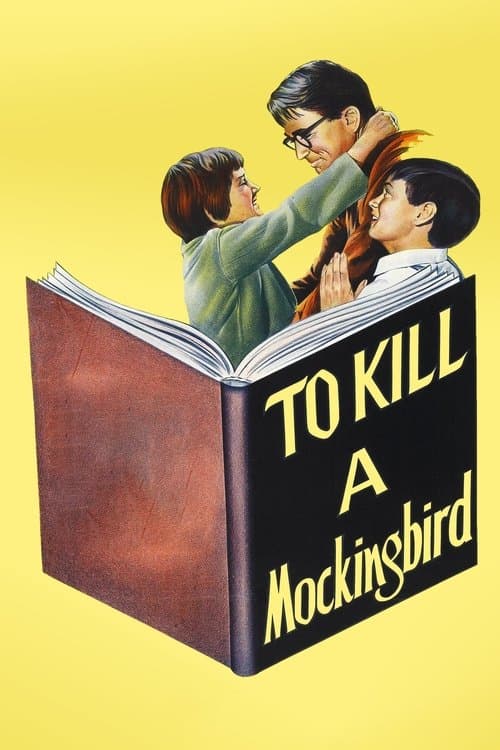
To Kill a Mockingbird
1962 · 129 min · Drama
Directed by Robert Mulligan
“A father must expose his children to a small town's outraged passions… and can only protect them with his love.”
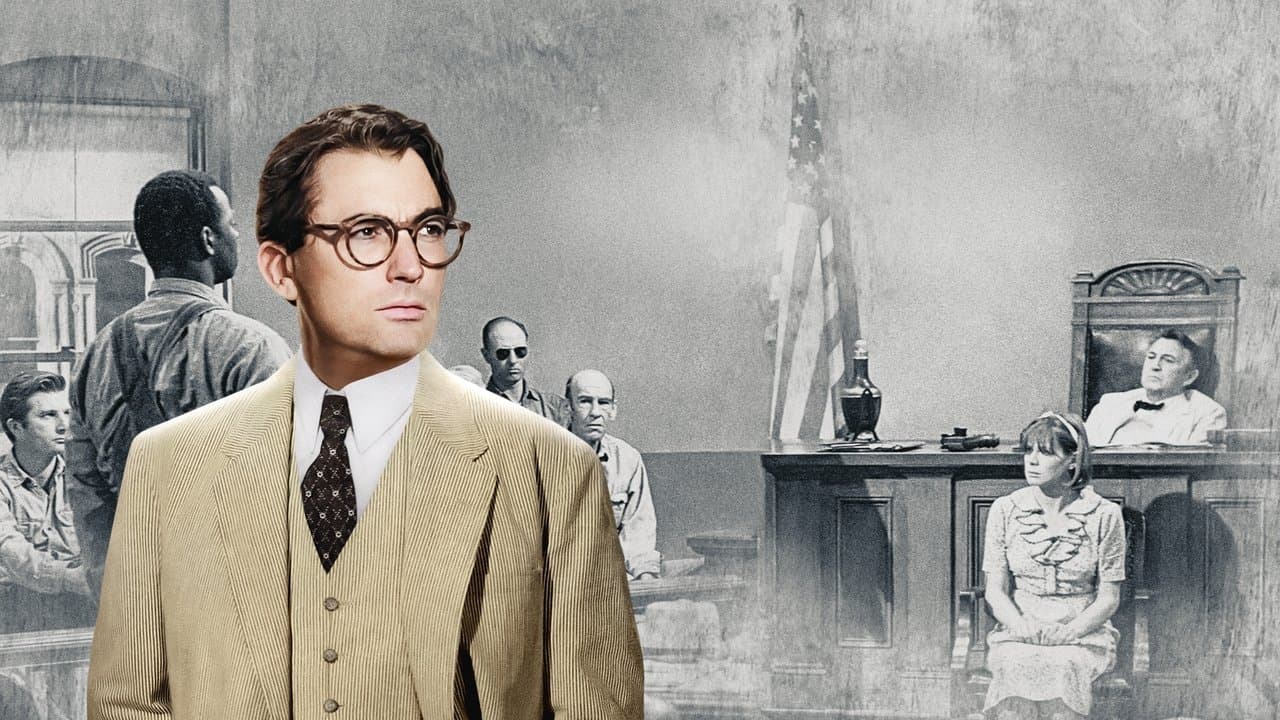
Scout Finch, 6, and her older brother Jem live in sleepy Maycomb, Alabama, spending much of their time with their friend Dill and spying on their reclusive and mysterious neighbor, Boo Radley. When Atticus, their widowed father and a respected lawyer, defends a black man named Tom Robinson against fabricated rape charges, the trial and tangent events expose the children to evils of racism and stereotyping.
Why it's worth watching
This cinematic masterpiece offers a profound exploration of moral courage, justice, and empathy through the eyes of young Scout Finch. Atticus Finch stands as one of cinema's greatest examples of principled fatherhood and integrity in the face of prejudice. It is a deeply moving story that encourages viewers to walk in others' shoes before judging them.
What it praises
It praises moral integrity, justice, racial equality, compassion for the vulnerable, and the quiet heroism of standing up for truth against social pressure.
For discernment
To Kill a Mockingbird is a landmark of moral courage: Atticus Finch models principled fatherhood, truth-telling under social pressure, and compassion for the vulnerable, and the film's summons to walk in another's shoes is deeply Christian in spirit. The weight to prepare for is thematic rather than graphic — the central case is a false rape accusation, and the assault is described non-graphically but disturbingly in courtroom testimony. The N-word is used repeatedly toward black characters, which is genuinely upsetting and reflects the racism the film indicts rather than endorses. A lynch mob tries to seize the accused man from his cell, and children are attacked in the dark, one's arm broken. This is heavy, edifying material well worth an older viewer's time; go in knowing the subject matter is racism and rape handled soberly, not sensationally.
- SexualityA false rape accusation is the central case, described non-graphically but disturbingly in courtroom testimony.
- LanguageThe N-word is used several times toward black characters (portraying, not endorsing, the era's racism), plus a use of 'a**.'
- ViolenceTwo children are assaulted in the dark and a boy's arm is broken, a lynch mob tries to seize a prisoner, and a rabid dog and a man are shot.
Community reviews
No written reviews yet. Sign in and be the first to share what stood out.
Cast
Gregory Peck
Atticus Finch

Mary Badham
Scout Finch
Phillip Alford
Jem
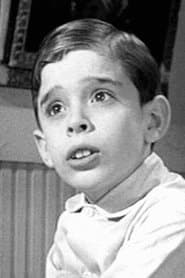
John Megna
Dill Harris
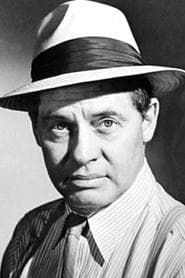
Frank Overton
Sheriff Heck Tate
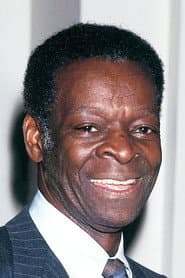
Brock Peters
Tom Robinson
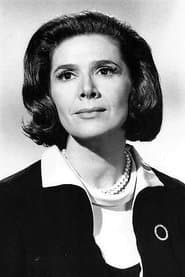
Rosemary Murphy
Maudie Atkinson
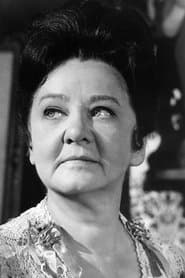
Ruth White
Mrs. Dubose