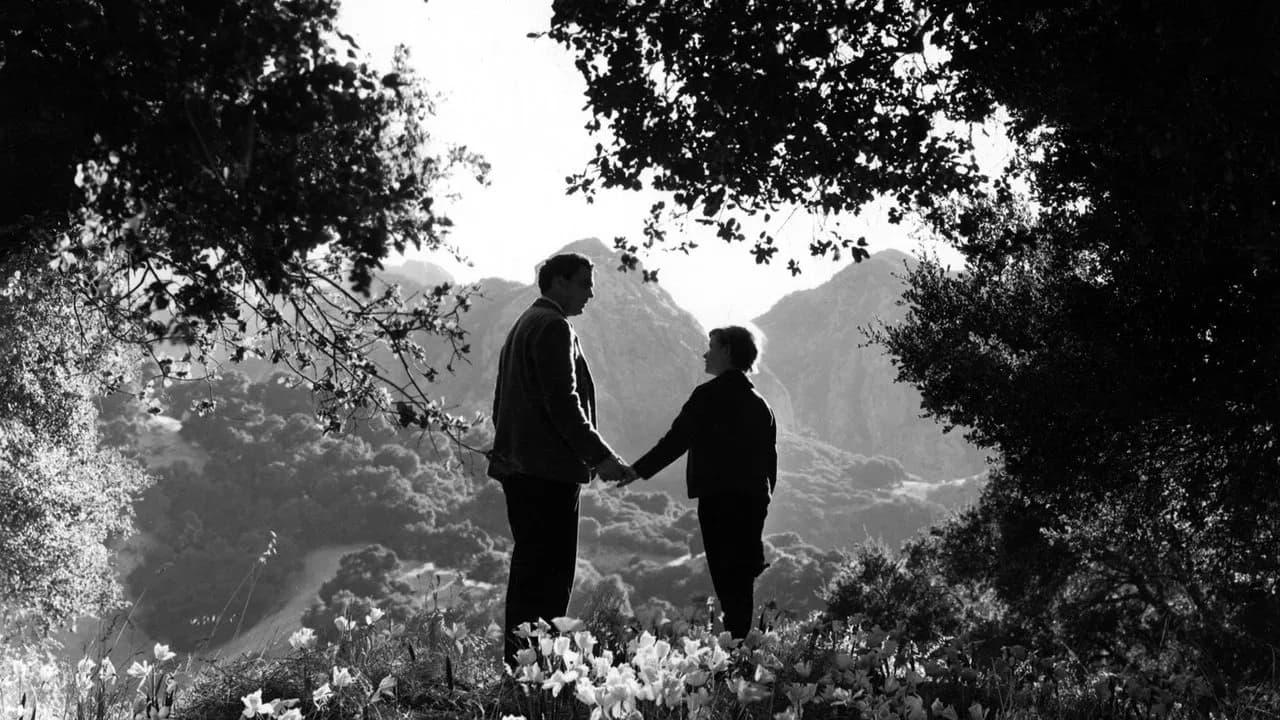
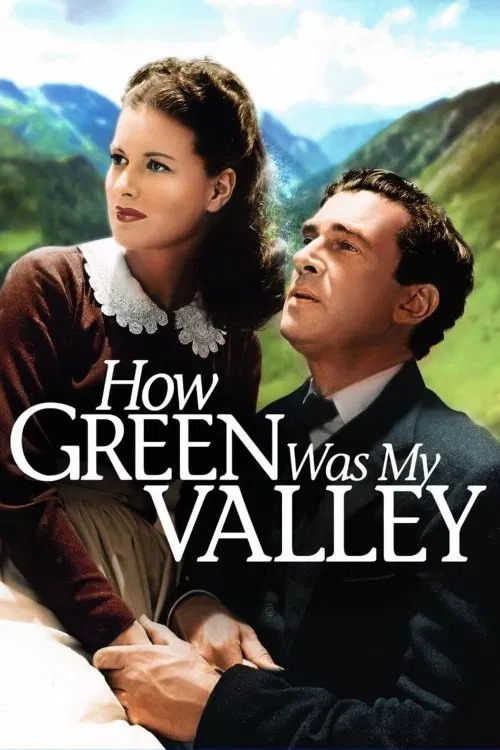
How Green Was My Valley
1941 · 118 min · Drama
Directed by John Ford
“Rich is their humor! Deep are their passions! Reckless are their lives! Mighty is their story!”
Huw Morgan, the academically inclined youngest son in a proud family of Welsh coal miners, witnesses the tumultuous events of his young life during a period of rapid social change. At the dawn of the 20th-century, a miners' strike divides the Morgans: the sons demand improvements, and the father doesn't want to rock the boat.
Why it's worth watching
How Green Was My Valley is a cinematic masterpiece that beautifully captures the warmth, dignity, and resilience of a devout Welsh mining family. Through its rich storytelling and stunning cinematography, the film explores the enduring strength of family bonds and the comfort of faith amidst hardship and social change. It is a deeply moving tribute to a bygone era of community and moral integrity.
What it praises
It praises familial love, respect for parents, honest hard work, pastoral integrity, and the enduring power of faith in times of grief and transition.
For discernment
This is a genuinely reverent portrait of a working-class Welsh family whose life is ordered around the chapel, the dinner table, and honest labor in the mine — the father's dignity and the mother's fierce loyalty are drawn without irony, and faith is treated as the real thing rather than a backdrop. Weigh two things a viewer could gloss over: the film has a strong strain of anti-clerical bitterness, contrasting a warm, humane young preacher against a censorious congregation of gossips and self-righteous deacons who publicly shame an unwed mother, so the church-as-institution comes off worse than the faith itself. There is also a hard scene of corporal punishment — a small boy is caned until he passes out — and repeated mining disasters and deaths that give the whole thing a wistful, elegiac sorrow. Drinking and smoking are constant social fixtures, and mild profanity appears once or twice. The good outweighs the concerns, but the film's nostalgia can quietly romanticize a vanished world in a way that verges on sentimentality about the past.
- Faith & familyThe film draws a sharp line between sincere personal faith and a cold, gossiping, self-righteous chapel congregation that publicly humiliates an unwed mother, casting the institutional church in an unflattering light.
- ViolenceA small boy is caned as corporal punishment until he passes out, and multiple men die in mining accidents (one crushed onscreen, no gore).
- SubstancesFrequent social drinking and pipe smoking, including a wedding reception where many drink and men hide beer from a visiting authority figure.
- Language'D***,' 'hell,' and 'bloody' are each used once as mild profanity.
Community reviews
No written reviews yet. Sign in and be the first to share what stood out.
Cast
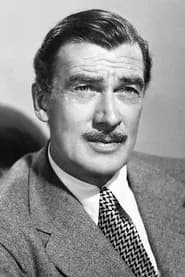
Walter Pidgeon
Mr. Gruffydd

Maureen O'Hara
Angharad Morgan

Anna Lee
Bronwyn
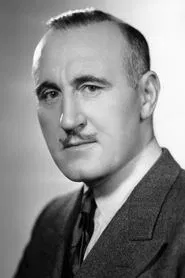
Donald Crisp
Gwilym Morgan

Roddy McDowall
Huw Morgan

John Loder
Ianto Morgan
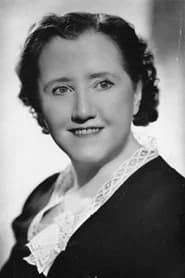
Sara Allgood
Beth Morgan
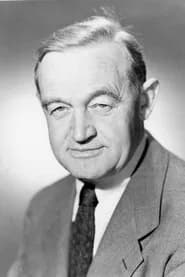
Barry Fitzgerald
Cyfartha